Must-Have Equipment in an Operating Room
Send inquiry now
Operating rooms are one of the most critical areas in any healthcare facility. It is equipped with various medical instruments, each of which serves a specific purpose, designed to support surgical teams, protect patients, and ensure procedures run smoothly. The precision, safety, and reliability of each equipment can mean the difference between life and death. In this article, we will explore the must-have equipment in an operating room and how each contributes to the seamless execution of surgeries.
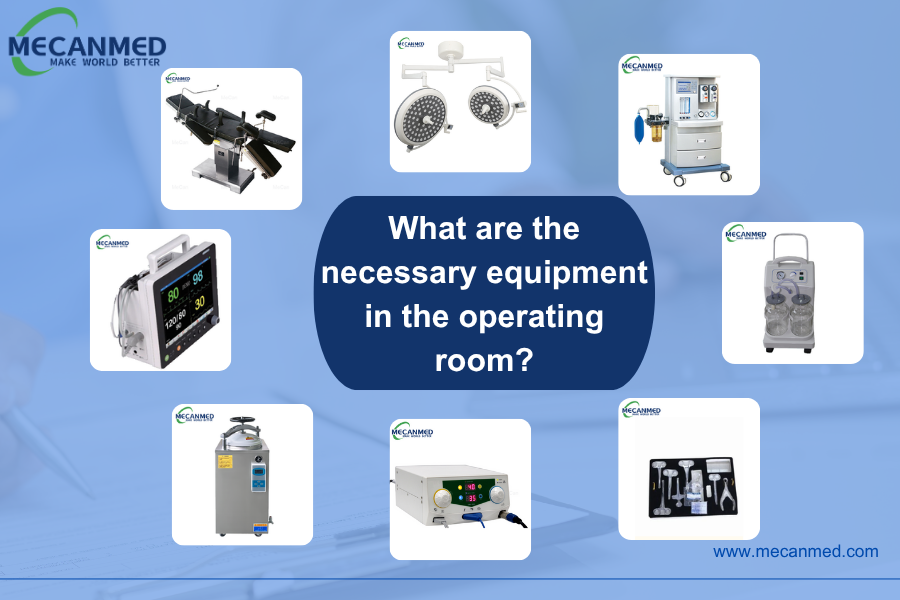
Essential Equipment in the Operating Room
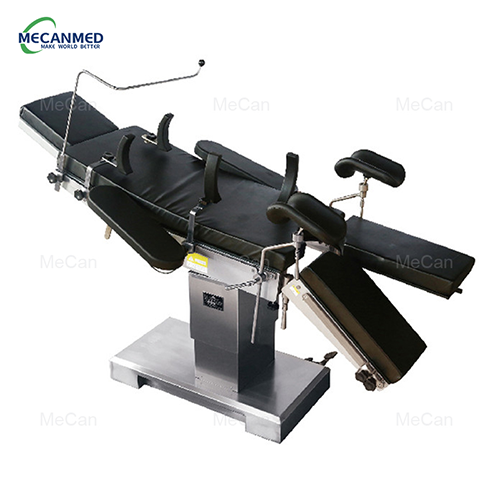
1. Operating Table
An operating table is one of the first and most fundamental pieces of equipment found in any operating room. It allows surgeons to position the patient optimally for surgery, ensuring access to the surgical site while maintaining the patient’s comfort and safety. Key functions of an operating table may include:
- Height Adjustment
- Tilt Adjustment
- Trendelenburg and Reverse Trendelenburg
- Head, Back and Foot Section Adjustment
- Rotation and Lateral Tilt
- C-Arm Compatibility
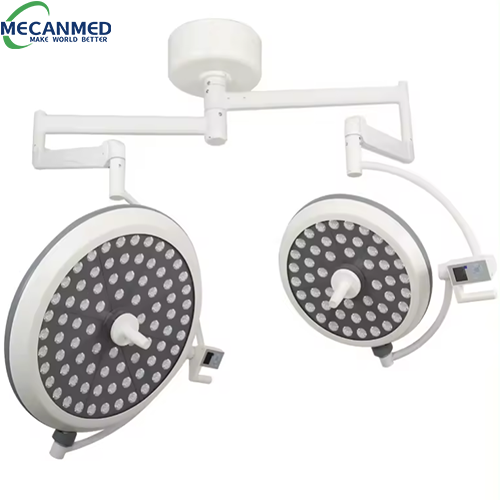
2. Operating Lamp
High-quality lighting is non-negotiable in an operating room. An operating lamp can provide bright, clear illumination to the surgical site, especially in deep or narrow body cavities. It is designed to minimize shadows and ensure that the surgical team has a precise view of the surgical site. Adjustable arm, illumination, and color temperature allow the lighting to be customized based on the surgeon’s preference and the procedure’s requirements.
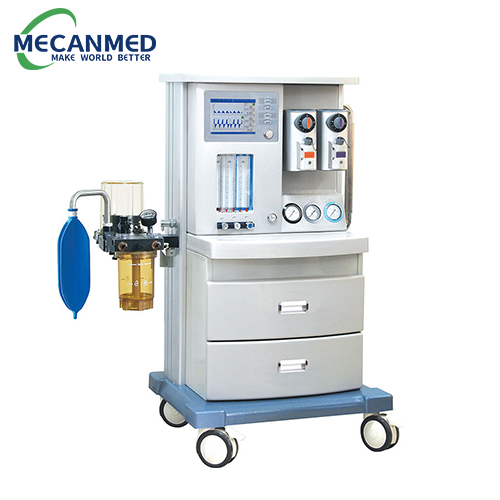
3. Anesthesia Machine
An anesthesia machine is the backbone of the anesthesia process that keeps patients unconscious, pain-free, and stable during surgery. It combines several key function:
- Delivering controlled doses of inhaled anesthetics (e.g., halothane, enflurane, isoflurane, and sevoflurane) and oxygen.
- Maintaining proper ventilation to ensure the patient can breathe adequately.
4. Patient Monitor
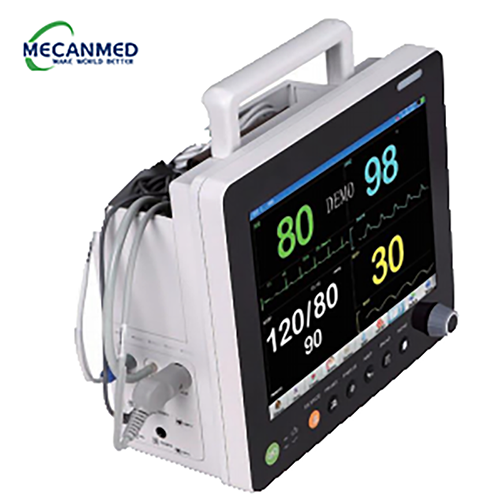
Patient monitors track the patient’s vital signs, such as heart rate, respiratory rate, blood pressure, oxygen saturation, temperature, and pulse rate. It provides real-time data to the surgical team, allowing them to react quickly to any changes in the patient’s condition.
5. Electrosurgical Unit
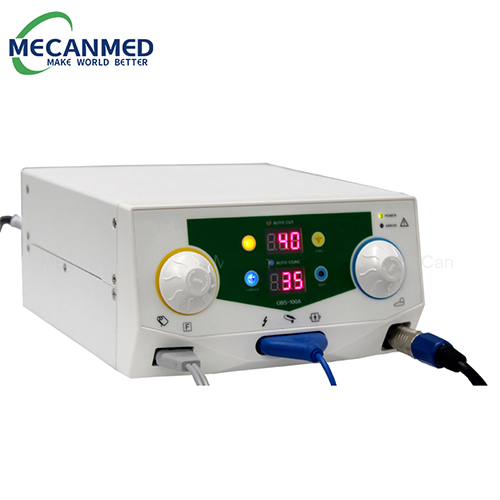
An electrosurgical unit uses high-frequency alternating electric current to cut, coagulate, or vaporize tissue during surgery. It can reduce blood loss and minimize the need for sutures, speeding up recovery times.
Working principle: Works by passing a controlled electrical current through an electrode into the patient’s body. The current flows from the active electrode, through the target tissue, and back to the generator via a return electrode (grounding pad) placed on the patient’s skin.
6. Suction Unit
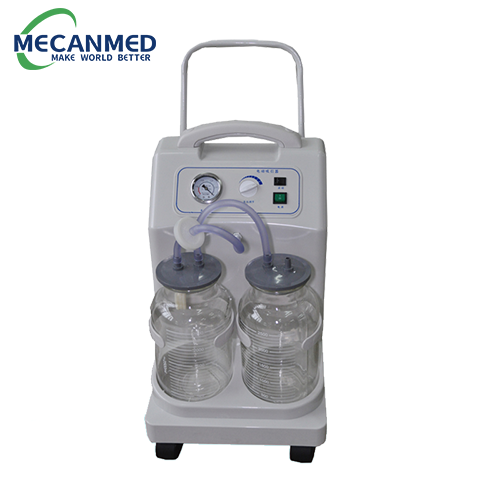
During surgery, fluids (e.g., blood, saliva, or tissue fluid) and debris can accumulate at the surgical site, blocking visibility and increasing infection risk. A suction unit is designed to remove these fluids and debris to maintain a clear view of the surgical site, allowing the surgical team to work efficiently and safely.
7. Surgical Instrument
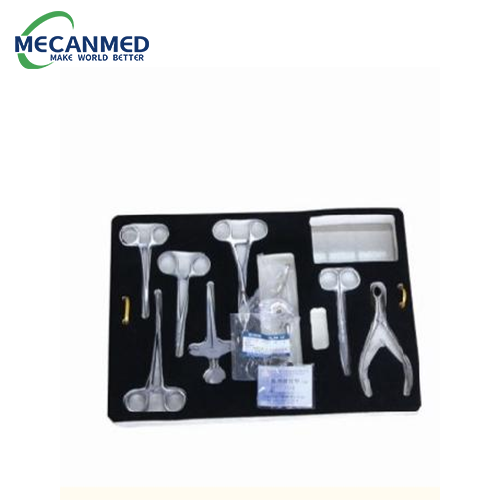
One of the most critical categories of equipment in the operating room includes surgical instruments — the tools used directly in the surgical procedure. No operating room can function without basic surgical instruments. With these tools, surgeons can perform various specific tasks, such as cutting, grasping, suturing, and retracting.
Cutting tools: Scalpels (for initial incision and fine tissue dissection), and scissors (for tissue or suture cutting).
Grasping tools: Forceps (for tissue or suture holding), and hemostats (for controlling bleeding by clamping blood vessels or tissues).
Suturing tools: Needle holders (for securely holding needles while suturing), and suture scissors (for cutting sutures).
Retracting tools: Retractors (used to pull back tissue or organs for better visibility and access to the surgical site).
All instruments must be sterilized before use, using the appropriate sterilization equipment (introduced below) and organized in trays to ensure quick access during surgery.
8. Sterilizer
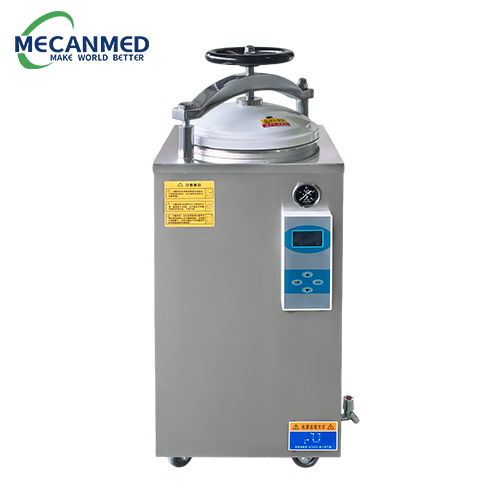
Infections in the operating room not only endanger patient’s lives but also threat to the health of the operating room staff. That is why the sterilizer is mandatory. The sterilizer is used to sterilize operating room equipment to ensure that all devices/tools are free from harmful pathogens before use. To address different types of surgical tools and their material constraints, three key sterilizers are widely used in modern operating rooms:
Autoclaves: It uses high-pressure steam (121-134°C) to sterilize heat-resistant instruments (e.g., scalpels, forceps, metal retractors) by effectively killing all bacteria, viruses, fungi, and even bacterial spores.
Plasma Sterilizers: It uses low-temperature (37-50°C) hydrogen peroxide plasma to sterilize heat- and moisture-sensitive equipment (e.g., endoscopes, laparoscopic tools, and certain plastic implants). The entire sterilization process leaves no toxic residues.
Ethylene Oxide (ETO) Sterilizers: It uses ethylene oxide gas to sterilize complex, heat-sensitive instruments (e.g., electronic surgical instruments, rubber tubing, and large medical equipment). The entire sterilization process also operates at low temperatures (30-60°C) but requires a post-sterilization aeration phase to remove residual gas.
Why These Operating Room Equipment Matter?
Every piece of equipment listed above plays a role in minimizing risk and maximizing patient outcomes. Using unsuitable or inadequate equipment in the operating room can lead to disastrous outcomes, compromising both patient safety and surgical success. For example:
- If sterilization equipment is ineffective, instruments may carry harmful pathogens, leading to post-operative infections that can complicate recovery and even result in life-threatening sepsis.
- A patient monitor with incomplete functionality can lead to missed vital sign changes, leaving the surgical team unaware of critical issues such as heart rate irregularities or oxygen deprivation, increasing the likelihood of complications like cardiac arrest or brain damage.
- Poor surgical lighting or improper positioning of the patient can compromise the surgeon’s visibility and precision, increasing the likelihood of errors during critical moments.
Altogether, these issues can lead to increased infection risk and serious complications — demonstrating just how essential each piece of these operating room equipment is in safeguarding the surgical process and patient health.
Final Thoughts
An operating room is a complex environment that relies on a combination of specialized equipment and tools for successful surgeries. From operating tables that position the patient to sterilizers that protect against infection, each piece of equipment is designed to support the surgical team and keep patients safe. By understanding these essential operating room equipment, we can better appreciate the precision and care that go into every surgical procedure.
Take Action Today
Whether you are building a new operating room or upgrading existing equipment, do not hesitate to contact us immediately. Our experts will help you boost operating room safety and efficiency.