How to Choose the Optimal Anesthesia Machine for Your Medical Facility
Send inquiry now
The global anesthesia machine market is growing rapidly, driven by the increase in surgical procedures, improved healthcare infrastructure, and a rising demand for integrated operating room solutions. As the global population ages and chronic conditions requiring surgery become more prevalent, hospitals and surgical centers are seeking safer, more efficient ways to manage anesthesia delivery.
A modern anesthesia machine is a critical component of any surgical suite. These machines ensure the safe, precise, and continuous delivery of medical gases such as oxygen, nitrous oxide, and anesthetic agents during surgical procedures. Selecting the right anesthesia machine not only improves clinical outcomes but also enhances workflow efficiency and patient safety.
At MeCanMed, we understand how important it is to select the best anesthesia machine for your facility. This comprehensive guide outlines key considerations to help you make an informed decision tailored to your clinical and operational needs.
What Is an Anesthesia Machine?
An anesthesia machine is a medical device that delivers a controlled mixture of medical gases and anesthetic vapors to keep a patient unconscious, pain-free, and physiologically stable during surgery. It plays a central role in anesthesia administration and patient monitoring throughout various procedures.
Why Choosing the Right Anesthesia Machine Matters
Selecting the appropriate anesthesia machine affects:
✅ Patient safety during critical surgical procedures
✅ Operational efficiency for anesthesiologists and clinical staff
✅ Compliance with national and international healthcare standards
✅ Flexibility across a wide range of patient types and surgical procedures
✅ Long-term durability and serviceability
Choosing an anesthesia machine based only on price or brand could lead to inefficiencies and risks. A tailored selection process is essential.
Key Factors to Consider When Buying an Anesthesia Machine
I. Define Your Clinical Requirements
1. Patient Population
Understanding your primary patient demographic is vital for selecting an anesthesia machine with the right capabilities.
Adult Patients: Standard machines with conventional ventilation and monitoring will suffice.
Pediatric Patients: Require machines that support:
- Precise low tidal volume delivery (20–200 ml)
- Pediatric-specific ventilation modes (pressure control, volume control with high precision, pressure support)
- Integrated low-compliance breathing circuits to minimize dead space
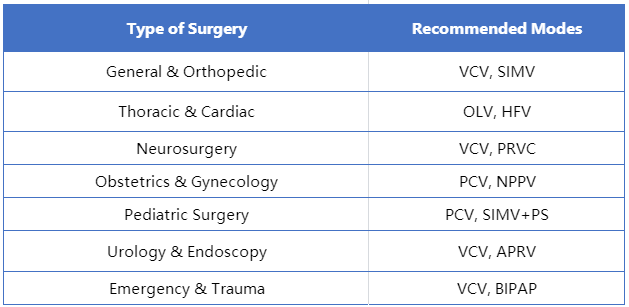
2. Types of Surgery and Required Ventilation Modes
II. Prioritize Patient Safety Features
1. Comprehensive Alarm Systems
Ensure your anesthesia machine includes visual and audible alarms for:
- Low oxygen concentration
- High airway pressure
- Apnea detection
- Power failure
- Tidal volume discrepancies
- Gas supply failure
2. Oxygen Failure Protection (OFP)
Automatically cuts off nitrous oxide and triggers alarms when oxygen pressure drops, preventing hypoxic mixtures.
3. Vaporizer Interlock System
Prevents the simultaneous activation of multiple vaporizers to eliminate cross-contamination and ensure dosage accuracy.
4. Real-Time Monitoring
Monitor vital parameters like:
- Tidal volume
- Respiratory rate
- Airway pressure
- Lung compliance
- Resistance and gas concentration
III. Usability and Workflow Efficiency
1. User Interface (UI) Options
Touchscreen UI
✅ Easy navigation with integrated data display
❌ Can be difficult to operate with gloves or in emergencies
Knob/Button UI
✅ Rugged and energy-efficient, ideal for harsh environments
❌ Limited data visibility and slower parameter adjustment
2. Ergonomic Considerations
Portable Anesthesia Machine
✅ Lightweight, affordable, easy to use
❌ Limited features and monitoring
Ideal for ambulances, field hospitals, rural clinics, or dental offices
Mobile Anesthesia Machine
✅ Full-featured with advanced safety and monitoring
❌ Higher cost and larger footprint
Perfect for temporary ORs, diagnostic imaging suites, or outpatient centers
3. Vaporizer Configuration
Single-Vaporizer Machines
✅ Compact, low-maintenance, and cost-effective
❌ Limited flexibility for complex cases
Best for resource-constrained settings and basic surgeries
Dual-Vaporizer Machines
✅ Support multiple agents and emergency readiness
❌ Higher cost and maintenance
Recommended for tertiary hospitals and complex surgical procedures
Make an Informed Investment
Purchasing an anesthesia machine is a long-term investment in patient safety and clinical performance. Your final choice should reflect:
- The types of surgeries your facility performs
- The characterist
- atient population
- Required safety features and compliance needs
- Workflow integration and ease of use
No single model is perfect for every setting. Facilities must carefully assess clinical requirements, usability, and cost-effectiveness.
At MeCanMed, we offer a wide range of anesthesia machines with customizable options tailored to meet your facility’s unique needs. From portable to high-end mobile models, our solutions deliver reliability, precision, and safety. Contact us today for expert guidance and a personalized demo.