How to Choose the Best Sterilizer
Send inquiry now
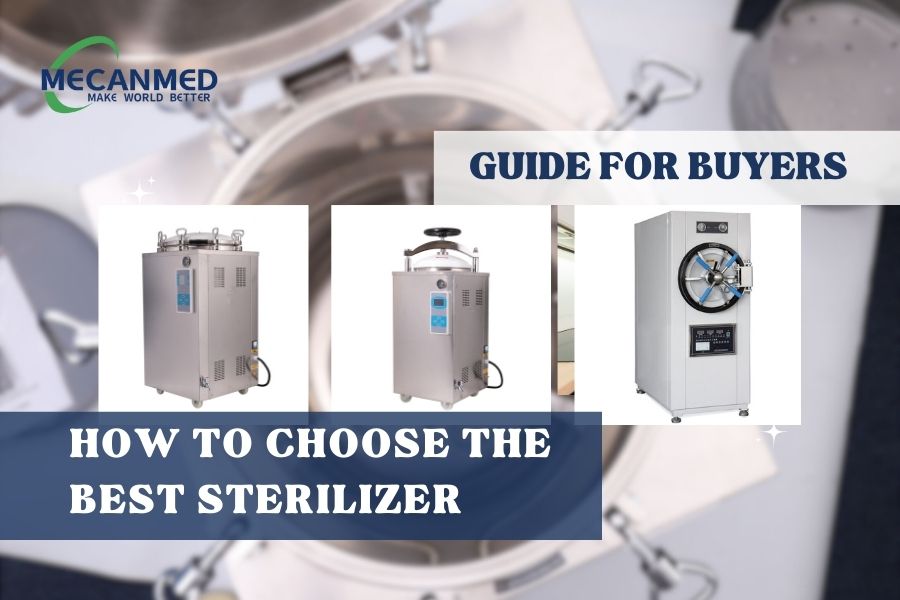
A sterilizer is a crucial device or tool used to eliminate all forms of microbial life, including bacteria, viruses, fungi, and spores, from objects and surfaces. Whether you are looking to purchase your next sterilizer, an additional sterilizer, or your first sterilizer, there are a number of considerations. This article provides an in-depth analysis of the sterilizer choosing, covering types, class, design, capacity, and more.
Types of Sterilizers
The type and style of sterilizer are fundamental considerations as they dictate suitability for different applications. There are several types of sterilizers, including steam sterilizers, ethylene oxide (EO) sterilizers and hydrogen peroxide plasma sterilizers.
Steam Sterilizers (Autoclaves)
Steam sterilizers are ideal for heat- and moisture-stable items, and fast and highly effective sterilization cycles. They are commonly used to sterilize the reusable surgical instruments (metal tools, forceps, scissors, etc.), glassware (flasks, beakers, pipettes, etc.), certain types of textiles and surgical drapes, unwrapped or wrapped solid items.
Ethylene Oxide (EO) Sterilizers
Ethylene oxide sterilizers are ideal for devices that can’t tolerate high heat or moisture, and items with intricate geometries or internal channels. They are commonly used to sterilize medical devices with complex lumens or components (catheters, endoscopes, etc.), electronic instruments and sensors, plastic and rubber materials, disposable medical supplies (syringes, tubing, masks, etc.), and heat- and moisture-sensitive equipment.
Hydrogen Peroxide Plasma Sterilizers
Hydrogen peroxide plasma sterilizers are ideal for fast cycles (typically under 1 hour), materials sensitive to both heat and moisture, and sterile processing departments with quick turnover needs. They are commonly used to sterilize heat-sensitive instruments, laparoscopic and robotic surgical tools endoscopes (non-lumened or short lumens), electronics and optical devices, and delicate plastics and composites
Class
Sterilizers are categorized into different classes based on their sterilization methods , application areas, and the type of items they are designed to sterilize. The main classes of sterilizers include Class B, Class N, and Class S, each serving different needs.
Class B
Sterilization Method: vacuum
Applicable Sterilized Items: porous instruments, non-porous instruments, wrapped or unwrapped instruments, and instruments with lumens (such as dental handpieces, endoscopes, surgical instruments, etc.)
Applicable Scene: dental clinics, operating rooms and pharmaceutical labs that need to handle complex medical instruments; sterilizing critical instruments (instruments that come into contact with sterile tissues or body cavities)
Class N
Sterilization Method: gravity displacement
Applicable Sterilized Items: solid, non-lumen, unwrapped simple instruments (such as metal tweezers, scissors, etc.)
Applicable Scene: non-high-risk settings such as clinics, beauty salons, tattoo studios, etc.; sterilzing non-critical instruments (instruments that come into contact only with intact skin or non-sterile tissues)
Class S
Sterilization Method: semi-vacuum
Applicable Sterilized Items: complex instruments that may have hollow cavities (e.g., dental handpieces, endoscopes)
Applicable Scene: specialty clinics (such as ophthalmology clinics, veterinary clinics), research labs, etc.
Design
Autoclaves come in different designs to cater to varying needs in sterilization. The design choice depends on factors like capacity, sterilization methods, materials to be sterilized, and the specific applications (medical, laboratory, industrial).
Vertical Steam Sterilizers (Standing Autoclaves)
Vertical steam sterilizers are suitable for scenes of limited space or batch sterilization without high-throughput needs, for examples laboratories (research, microbiology, educational institutions), small hospitals or clinics, pharmaceutical R&D, veterinary clinics, and food and beverage QC labs. They are space-saving, economical for low-to-medium load volumes, and easy to load/unload items like flasks, bottles, and media.
Horizontal Steam Sterilizers (Front-loading Autoclaves)
Horizontal steam sterilizers are suitable for scenes of high-volume instrument reprocessing, strict sterilization validation and traceability requirements, for examples large hospitals and surgical centers, central sterile supply departments, pharmaceutical manufacturing plants, biotech and medical device production, and large veterinary hospitals. They are with large capcity; efficient for continuous, high-load operations; and supporting a wide range of instruments and packaging types
Tabletop Steam Sterilizers (Benchtop Autoclaves)
Tabletop steam sterilizers are suitable for scenes of limited space and budget, and processing loads several times a day, for examples dental clinics, outpatient clinics and day surgeries, tattoo and piercing studios, beauty and aesthetic centers, and private medical practices. They are compact, easy to install and use; suitable for low-to-moderate throughput, and often available in Class B or Class N configurations.
Pass-Thru Steam Sterilizers (Pass-Through Autoclaves)
Pass-thru steam stserilizers are suitable for scenes of preventing cross-contamination, separation of “dirty” (unsterile) and “clean” (sterile) zones , and strict GMP or infection control protocols, for examples cleanroom environments, pharmaceutical and biotechnology production, hospital CSSDs (between dirty and clean areas), IV compounding rooms, and biosafety labs. They maintain strict environmental control; ensure unidirectional flow of instruments or materials; and meet requirements for aseptic processing environments.
Capacity
The capacity of a sterilizer is one of the most important factors in choosing the right equipment for your specific application. It directly impacts the efficiency, cost-effectiveness, throughput, and overall performance of the sterilization process.
Small Capacity Steam Sterilizers
Capacity: 1L-60L
Applicable Sterilized Items: hand instruments, dental tools, glassware and etc.
Applicable Scene: small institutions like clinics, dental offices, laboratories and etc. frequent use but with a relatively small single sterilization volume demand; portable applications or settings with limited space
Medium Capacity Steam Sterilizers
Capacity: 60L-200L
Applicable Sterilized Items: surgical units, dressing packs, endoscopic tools and etc.
Applicable Scope: outpatient surgical centers, hospital departments (e.g., ophthalmology, dermatology), larger dental or veterinary practices, research institutions and etc.; meeting the medium-volume sterilization needs in daily use
Large Capacity Steam Sterilizers
Capacity: 200L-500L
Applicable Sterilized Items: high-throughput sterilization of surgical trays, linens and etc.
Applicable Scope: general hospitals and surgical centers, pharmaceutical factories, biotech labs and etc.; large-volume operations with daily load cycles
Final Thoughts
When selecting the ideal sterilizer, prioritize four key aspects: types (steam sterilizers, ethylene oxide sterilizers, hydrogen peroxide plasma sterilizers), class (Class B, Class N, Class S), design (vertical, horizontal, tabletop, pass-thru) and capacity (small, medium, large). Matching these four factors to your institution’s throughput, material compatibility, space constraints, and sterilization validation requirements ensures optimal safety, efficiency, and regulatory compliance.